

Ko te reo o Mātaatua e ngunguru nei. Hi au, au, aue ha!
Nau mai, haere mai ki tēnei whare kawe kōrero ko Pūkāea!

T E T Ā N G A O M Ā T A A T U A
Tānga Tuatahi
Ka tū te pou, ka tīmata te haerenga.
Welcome to the very first issue of Pūkāea relaunched – a space dedicated to amplifying the voices of Mataatua, te ao Māori.
With every issue, we connect with out people and spotlight the lived experiences that shape us. This is more than a newsletter. It's a sounding of the pūkāea, a long, deep breath calling us together once again.
Our First Hero: Rik Mitai
We begin with the story of Rik Mitai — a beloved leader, kaihaka, and humble force behind Ōpōtiki Mai Tawhiti. Known not only for his brilliance on the kapa haka stage but for the quiet strength he brought to every space, Rik was a beacon of humility, integrity, and aroha. His sudden passing left a deep mamae across te ao haka, yet it also revealed the unwavering power of whānau, haka, and spirit to carry us through.
His sister, Renee Mitai, stood at Te Matatini 2025 as Manukura Wahine, holding her grief with grace and her brother’s memory with strength. Through her story, we hear not only a personal tribute, but a reminder of the legacy Rik left behind.
"Ko ia te kaha. I waenganui i taku tū, i te kaha ahu māna."
He was the strength. While I stood, I drew strength for him.
This quote anchors our first issue. Rik’s wairua continues through haka, whānau, and kōrero. His story marks the beginning of this kaupapa, setting the tone for every pūrākau that follows.
Also in the next issue of Pūkāea
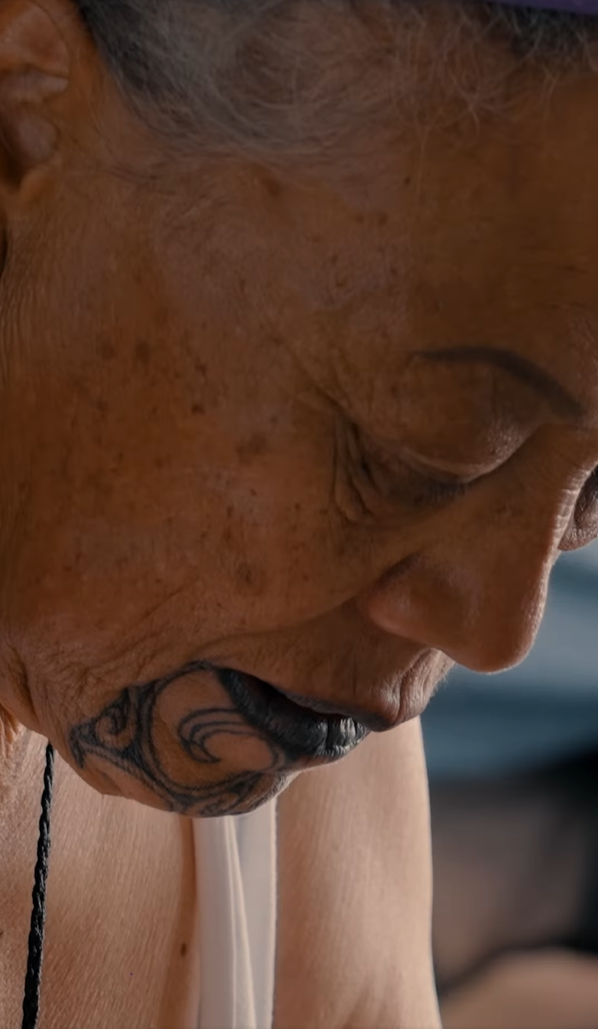
Te Wānanga Wairua ki te Marae o Waiohau
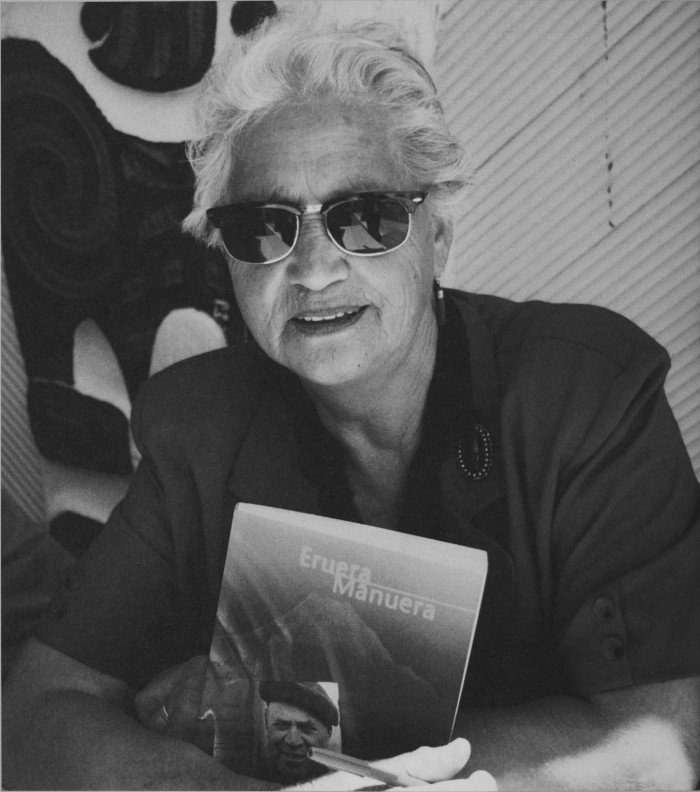
Te Whakaohonga Mai o Pūkāea (News service & Magazine)
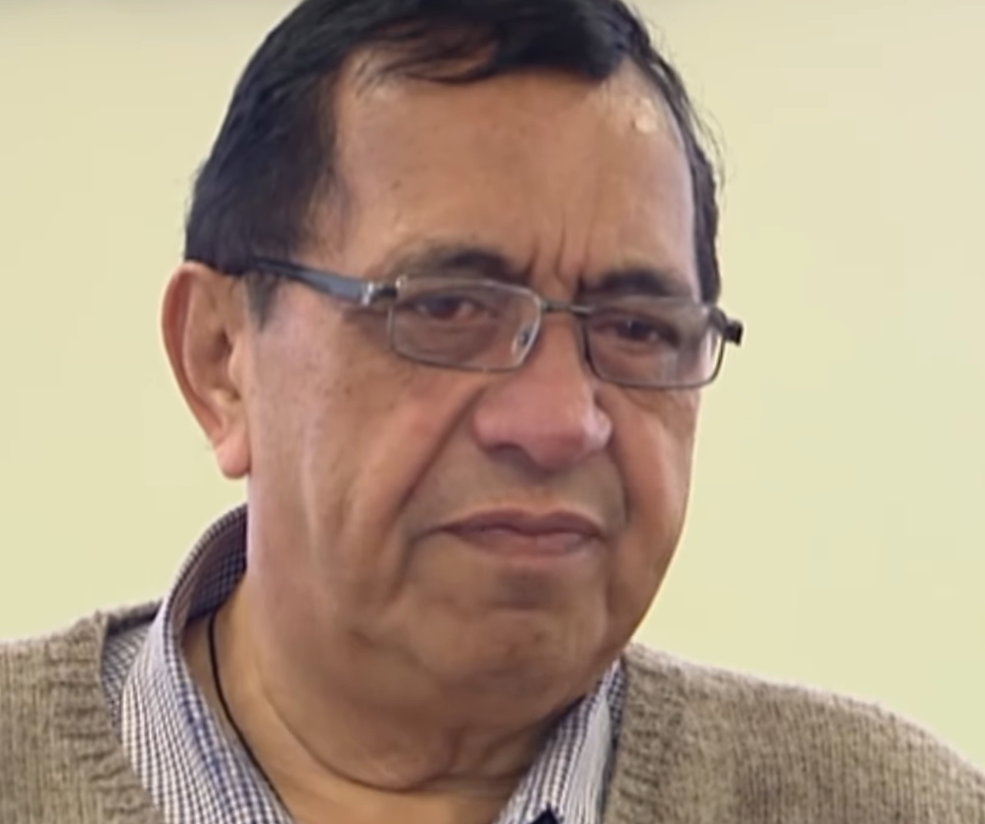
Te Tangihanga a Tamati Cairns
Te Hokinga Mai o Pūkāea
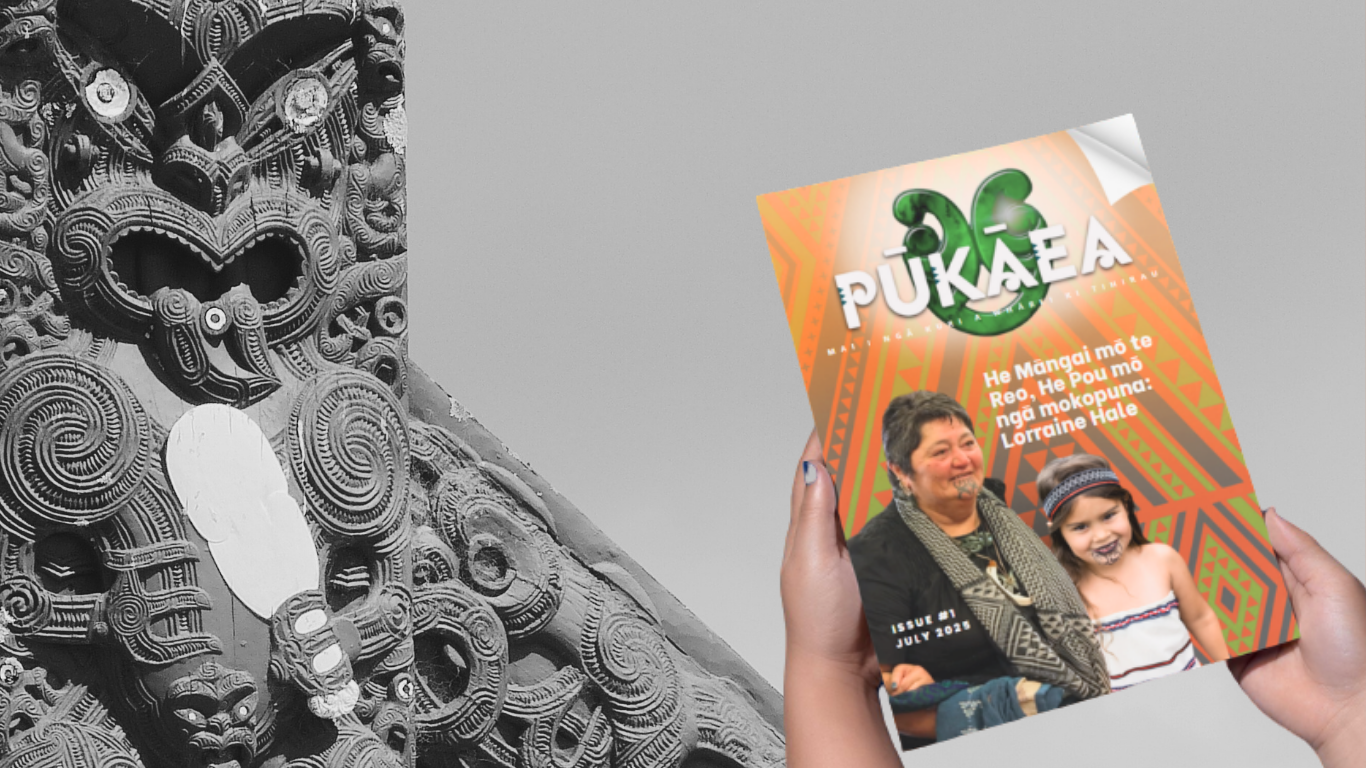
There was a time when regional Māori voices weren’t being documented. National coverage overlooked local realities. Māori newspapers came and went, but few stayed long enough to build a relationship with place. Pūkāea began with a clear intention, to speak from the whenua, to the people who stand on it.
Born in Mataatua, it made space for stories that were anchored here. Not shaped by trends or national focus, but by the lived experience of iwi, hapū, and whānau across this region.
And for many in Mataatua today, the name carries weight. Not because it was glossy or mainstream, but because it spoke directly to the people of this rohe. From the early 2000s, Pūkāea ran as a printed Māori publication focused entirely on local voices — iwi perspectives, hapū initiatives, whānau profiles, marae events, and Māori viewpoints that weren’t being documented anywhere else.
Its stories came from Whakatāne, Ōpōtiki, Te Teko, Tauranga Moana, Waimana, Rūātoki, Ruatāhuna, and surrounding areas. It wasn’t broad. It was specific. It was regional. And that’s exactly what made it powerful.
The paper was sustained through sheer commitment. Long before automation and digital workflows, copies were folded, sealed, stamped, and addressed by hand. Staff would down tools to prepare stacks of envelopes for posting. Before any of that, the stories had to be researched, written, edited — often translated into te reo Māori — and laid out for print.
The paper was sustained through sheer commitment. Long before automation and digital workflows, copies were folded, sealed, stamped, and addressed by hand. Staff would down tools to prepare stacks of envelopes for posting. Before any of that, the stories had to be researched, written, edited — often translated into te reo Māori — and laid out for print.
It was shaped by the hands and thinking of people like Nanny Onehou, and the many kaimahi who carried the kaupapa across years of print. That voice is still needed — perhaps now more than ever. Ko te reo o Mataatua e kore e ngaro. Mā te Pūkāea, ka rangona anō.
Two names stand out in the history of the paper: Whare Akuhata and Onehou Phillis. Whare served as editor for several years. His role brought structure, consistency, and a sharp editorial approach to the kaupapa. Under his guidance, Pūkāea maintained its balance — carrying stories that were informative but grounded in the realities of the region.
After some years, Pūkāea was absorbed into the operations of Te Reo Irirangi o Te Mānuka Tūtahi and continued to publish under TumekeFM. While the format shifted and resources changed, the kaupapa stayed intact: our stories, our voice. Alongside him — and at times also in the editorial seat — Onehou Phillis was a defining voice in the publication. Known for her command of both te reo Māori and English, her writing carried depth and clarity. She could weave tribal knowledge, cultural insight, and sharp observation into pieces that resonated with whānau across generations. Her presence ensured the paper remained connected to tikanga, to language, and to the people. In many homes, her articles are still remembered — and kept.
The value of their work isn’t just in the editions they helped produce. It’s in what those editions now represent. They’re records. Archives. Snapshots of a region speaking to itself. For some whānau, Pūkāea holds the only published image or quote of a loved one. For others, it’s where a story about their marae or hapū was first acknowledged in writing.
There are very few Māori-led publications that focus exclusively on a single rohe. Even fewer that have lasted as long, with as much community backing, and as many layers of cultural integrity. Pūkāea is one of them. Its importance isn’t in its format. It’s in its purpose. It was built to be a voice for Mataatua.

Te Whakaohonga o te Mauri o Pūkāea
Pūkāea becomes a regional news service
The mauri of Pūkāea, a once-sleeping Mātaatua-led Māori publication, originally launched in 1992, has returned as a modern regional news and storytelling service, broadcast daily and digitally, to connect generations and revitalise local Māori narratives. The revival honours its founders and signals a bold future driven by both kaumātua and rangatahi voices.
Regional News for Mātaatua Launches
On 1 February 2025, Pūkāea was launched as a regional Māori news service for Mātaatua. The mauri of the original kaupapa was reawakened at Kāpū-Te-Rangi through karakia led by Haturini McGarvey, with support from some of the same whānau who helped establish Pūkāea in 1992.
Wikitoria Day (Tūhoe, Ngāti Awa) and Kereama Wright (Te Arawa, Ngā Ruahinerangi) lead the kaupapa. Together, they are focused on restoring a dedicated Māori news presence in the region — reporting in te reo Māori, grounded in local issues, and led by local voices.
Pūkāea now broadcasts daily on Tumeke FM and publishes online across its digital channels.